
Theodore Roosevelt
An enduring connection
Historical photographs and local accounts connect Rainey and Tippah Lodge with Theodore Roosevelt.
The grounds
100 acres
Approximately · Gated timber and pastureland
The residence
5,390 sq ft
Five bedrooms · Separate guest house
The offering
$3,125,000
Private showings by appointment
A Mississippi legacy
The Trophy Room is still here. So is the round brick polo barn.
Beyond them, timber and pasture open across approximately 100 gated acres of northeast Mississippi. This is Tippah Lodge, the country estate Paul J. Rainey shaped around horses, hunting, and hospitality.
More than a century later, its surviving spaces still carry that story. The next chapter could be yours.
A place to return to
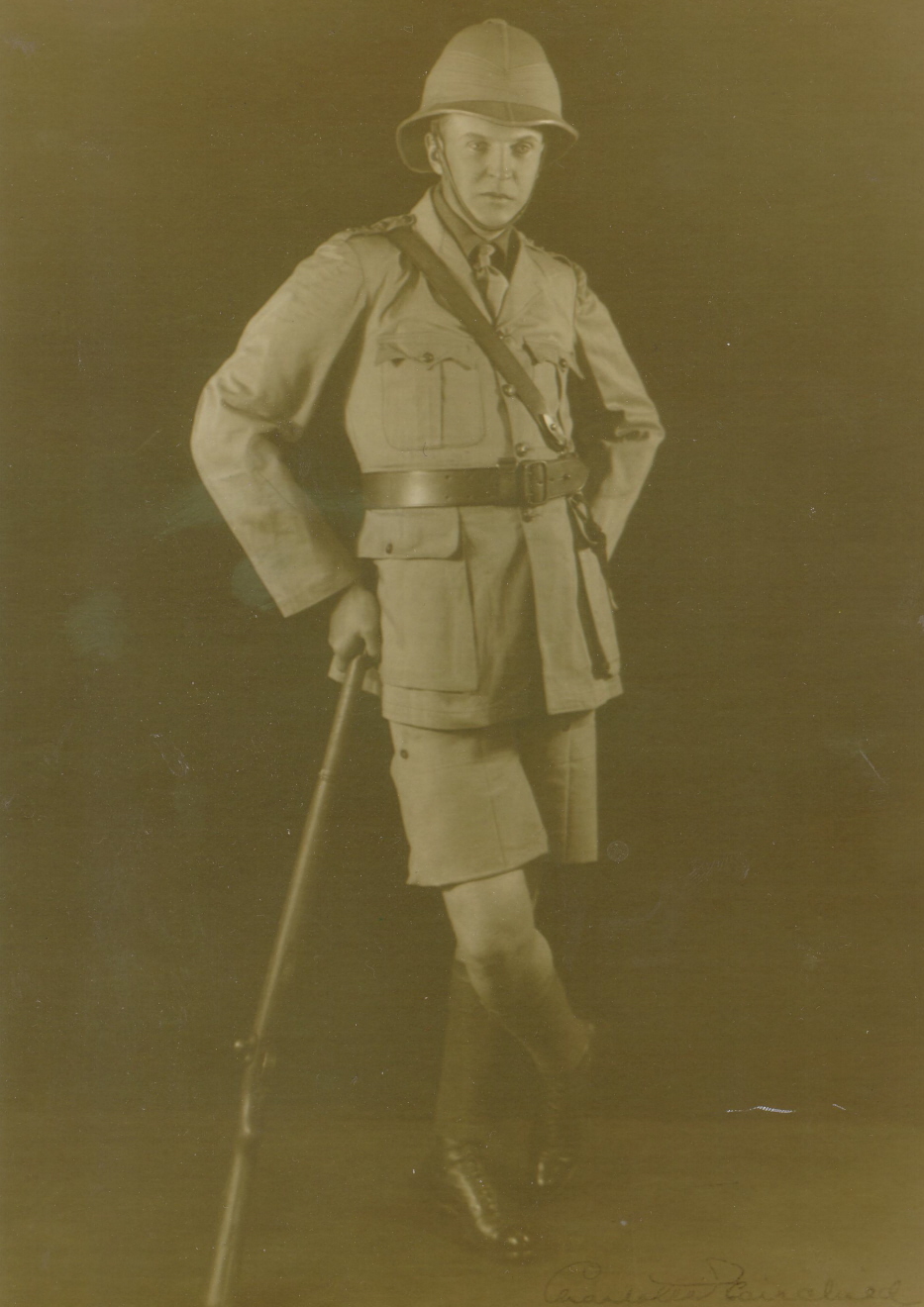
Paul James Rainey was born in Cleveland, Ohio, in 1877. A family fortune built in coal and coke gave him the means to follow his interests across the world, from horses and outdoor sport to photography and early motion pictures.
In the early twentieth century, he began assembling land in Tippah County and expanded an existing residence into Tippah Lodge. The estate eventually covered roughly 10,000 acres.
His adventures would take him from Africa and the Arctic to Europe and Russia. Yet among the many places he traveled, northeast Mississippi became his cherished retreat.
See the Estate Today
An estate ahead of its time
Guests came for sporting weekends, music, and meals that brought the house to life. Some arrived by private railcar. Accounts of W. C. Handy’s band performing here place Tippah Lodge within the early story of American blues.
Historical accounts describe a lodge with approximately 12 bedrooms, a game and billiard room, and an indoor heated swimming pool, surrounded by gardens, kennels, and equestrian facilities.
Much of that original lodge was later removed. The residence that stands on its footprint today offers its own places to gather: a formal dining room, a renovated kitchen, porches, and room for guests to stay. Hospitality still feels at home here.
Explore the Residence
The original Trophy Room
The former game-room structure, known today as the Trophy Room, survives from Rainey’s estate. It belonged to a world of hunting parties, long visits, and evenings spent together after a day outdoors.
Its presence gives the property something a photograph or a written history alone cannot offer: a place to step inside and feel the scale of the life once lived here.
For the next owner, that history becomes part of the setting for new conversations, familiar faces, and gatherings of their own.
Discover the Property

The history you can walk into
Rainey’s passion for horses shaped one of Tippah Lodge’s most distinctive landmarks: its circular brick polo barn.
Built to accommodate approximately 50 horses, the barn reflected the scale of his equestrian pursuits, which included polo, racing, and steeplechasing. The original estate also featured a polo field and extensive facilities for horses and sporting guests.
The restored Round Barn has since hosted private dinners, charitable gatherings, and celebrations. A building shaped by the estate’s equestrian life has found another way to bring people together.
Picture the guests arriving, the tables set, and an evening that becomes a story people tell long afterward.
Beyond Mississippi
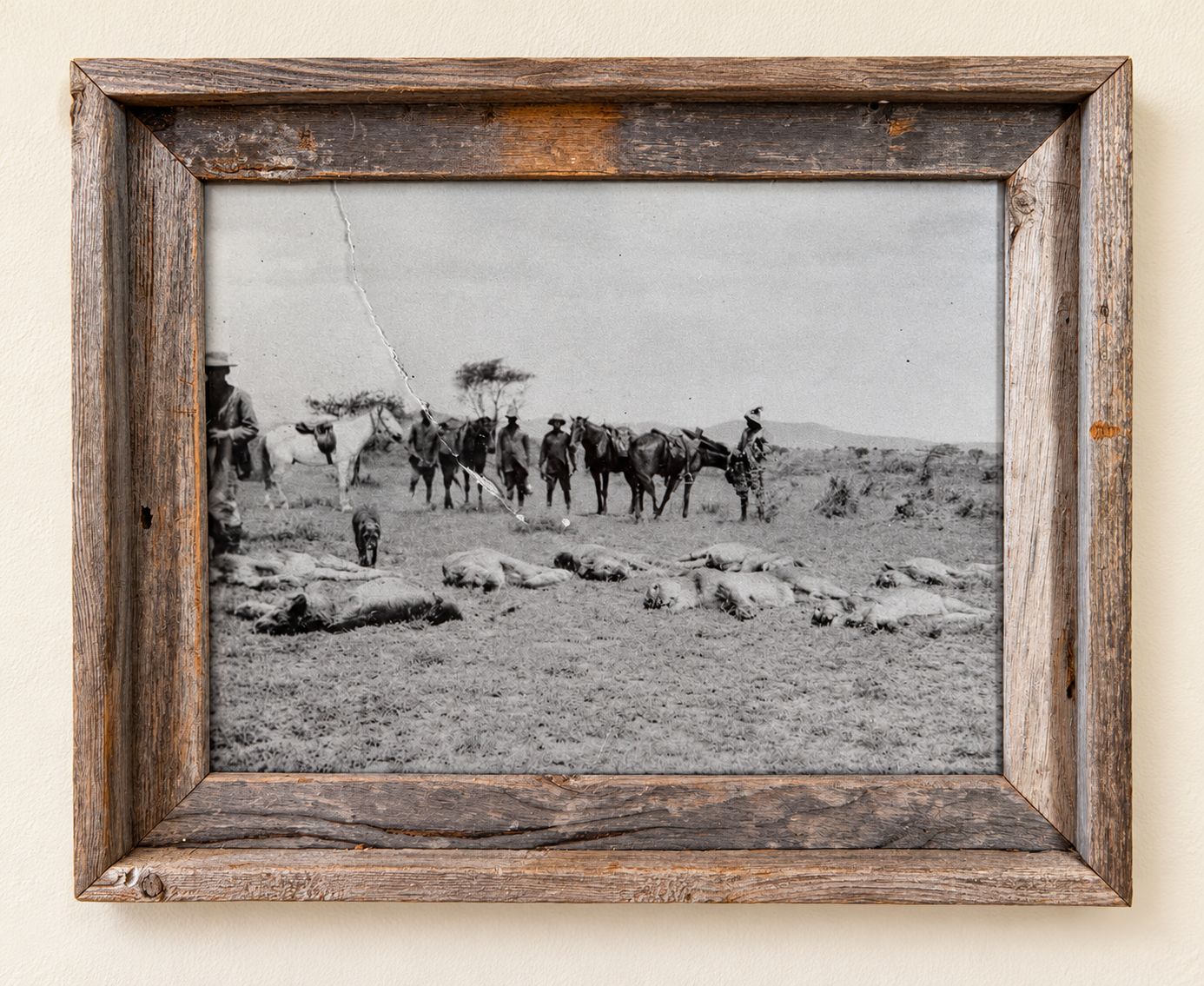
Tippah Lodge served as a base for Rainey’s horses and hounds before his African expeditions. Guides, porters, cameramen, and other expedition personnel helped make journeys that combined hunting, scientific collecting, photography, and filmmaking possible.
In 1910, he traveled to the Arctic with Harry Whitney, strengthening connections with the New York Zoological Society and the Bronx Zoo. The polar bear known as Silver King became part of that history.
The hunting and animal collecting reflected practices of the era, often at a brutal cost to wildlife. The resulting photographs and films remain part of a complex record of exploration and early wildlife cinema.
A pioneer of early cinema
The release of Paul J. Rainey’s African Hunt

An African expedition became a motion picture. Its audience reached far beyond Tippah County.
In 1912, Paul J. Rainey’s African Hunt brought African landscapes and wildlife to theatrical audiences. Distributed through Carl Laemmle’s organization, it became a major commercial success in early nonfiction cinema.
The film’s success connects Rainey’s story with the capital and momentum behind the early development of Universal Pictures. Surviving footage is preserved by the Library of Congress.
Connections through history
The people, music, and institutions connected to Tippah Lodge reach well beyond its gates.

Theodore Roosevelt
Historical photographs and local accounts connect Rainey and Tippah Lodge with Theodore Roosevelt.
Literature and music
William Faulkner later referred to Rainey and the region’s sporting culture in The Reivers. Accounts of W. C. Handy’s band performing here add another thread to the estate’s story.
Museums and natural history
Rainey’s relationships extended to the Smithsonian Institution, the American Museum of Natural History, and the New York Zoological Society. What began as a private country retreat became part of a much larger American history.
Art and conservation
After Rainey’s death in 1923, the family’s influence continued through the places and institutions it helped sustain.

Art and patronage
Rainey’s sister Grace continued the family’s philanthropic work. A prominent arts patron, she supported institutions including the Metropolitan Museum of Art and commissioned the monumental Rainey Memorial Gates at the Bronx Zoo in her brother’s honor.
Conservation · 1924
In 1924, a donation of approximately 26,000 acres in Louisiana established the Paul J. Rainey Wildlife Sanctuary, now recognized as Audubon’s oldest and largest sanctuary.

Tippah Lodge today
Today, approximately 100 acres bring together the present-day residence, a guest house, the Round Barn, and the historic Trophy Room. The surviving structures keep the earlier estate close. Explore the Tippah Lodge property to discover the home's features, photographs, and living spaces, and imagine how this remarkable estate could become your own.
Imagine Christmas greenery along the staircase, a dining table filling with family, and guests staying through the weekend. Coffee on the porch the next morning. Time to walk the grounds before everyone gathers again.
Tippah Lodge has welcomed generations of stories. There is room here for yours.
See The Photo GalleryWatch the stories
Walk through the surviving rooms, hear historian Peyton E. Holliday’s perspective, and see the spaces where this estate’s next chapter could unfold.
Explore the Estate Listing
The story continues
Step inside the Trophy Room. Walk out to the Round Barn. Spend a moment on the porch and picture who you would invite.
Your private introduction to Tippah Lodge.
Contact The Captain Group to arrange a private showing and experience the residence, grounds, and surviving historic spaces in person.